
Tips and Tricks

WHY DO YOU GET PAIN? GET ADVICE TO ALLEVIATE THE DISCOMFORT

" During your pregnancy, many things happen in your body that you
have not tried before. Fluid may get into places in the body that you do not want to
had imagined, hunger you have never experienced before, or strong
reactions to small things. Something everyone has during pregnancy, but
" which not everyone notices equally are contractions. "

Julie Carøe, Midwife and Founder of "Together with You"

October 3, 2024

Hero Image
Julie Carøe

Julie Carøe

Denne artikel er skrevet og fagligt kvalitetssikret af Julie Carøe. Julie er uddannet jordemoder og har gennem sin platform "Sammen med jer" dedikeret sit arbejdsliv til at skabe tryghed for gravide og nybagte forældre. Med sin dybe faglige indsigt i kroppens forandringer under graviditeten, hjælper hun her med at forstå og lindre generne ved plukveer.

What are picking contractions?

Contractions are the uterus' way of moving. I personally think it's a women's superpower! We have a muscle in our body that grows from being the size of a small lime to being able to carry a child and fill up all the way below the ribs. Then in the minutes and hours after a birth, it contracts down to the size of a grapefruit, and fills up to just below the belly button. A muscle that can protect and carry our children. Acting home and safe embrace for 9 months and then making contractions and helping the child into the world. But like all other muscles, it needs to be practiced and used.

Read much more about labor pains in our blog post, and find out what you can do when you experience labor pains, as well as what you should pay attention to.

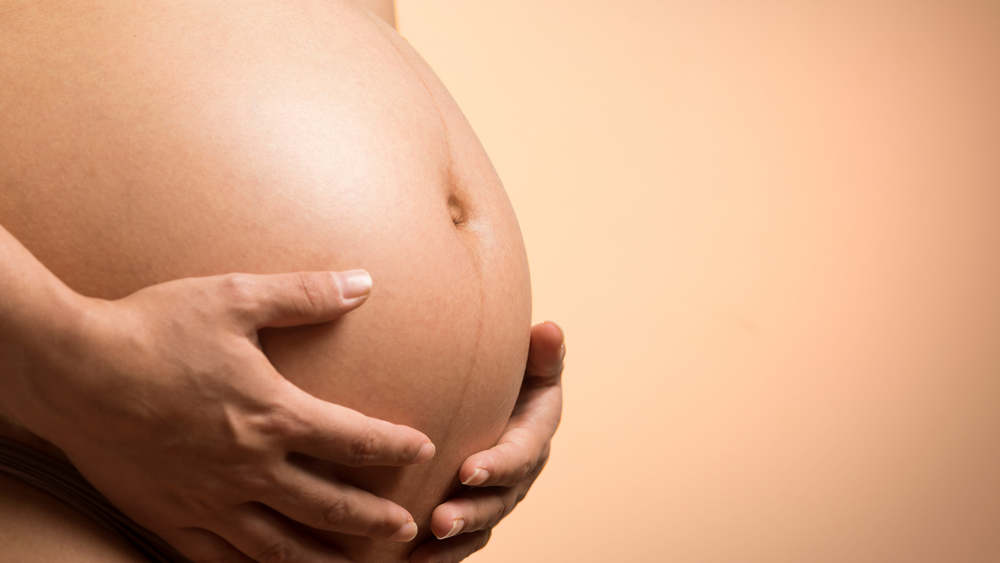
When the stomach suddenly becomes hard during pregnancy

During your pregnancy, you suddenly notice that your stomach becomes completely hard for a short period, for example for 15 seconds and up to 1.5 minutes, and then relax again. It is a contraction. They can come quite unprovoked and at different intervals. Many people experience them during exercise, at a high pace and after sex. In principle, the uterus also contracts during an orgasm, and therefore it can continue to do so for a while afterwards. It is not dangerous if you have a good and normal pregnancy and are not under observation for premature birth. On the contrary - sex is good and important for the dynamics and attachment of the parents.

If you often have contractions and are before week 37 of your pregnancy, you should be aware of 3 things:

1. Interval: You can have many contractions every day –
but they must come as the wind blows. They must not become regular and
increase in interval.

2. Pain: Contractions can be quite painful and can be
unpleasant, I will admit. But they must not hurt so much that
becomes pain.

3. Pressure: If you feel pressure downward and back, like you need to go to the toilet during labor, you should also react.

What can you do when labor pains come?

To start with, try to find a place to rest. Lie down where you are comfortable and can find peace. Place your hands on your stomach and breathe deeply and calmly. Stay there until you feel relief. If you are outside exercising – sit on a bench and enjoy the view and relax until the contractions are gone. Respect your body when it tells you to. Some women find that they can have a lot of contractions if they happen too much.
If you are too busy and do not give your body and mind the necessary rest during pregnancy, talk to your partner and possibly your boss if there is anything that needs to be changed.

You should also be aware of this

Frequent cramping can also be a sign of a urinary tract infection (cystitis). However, this can be difficult to notice as you don't always feel the urge to urinate as you would if you weren't pregnant. When you are pregnant
You are more exposed and susceptible to urinary tract infections. If you are in doubt, please consult your own doctor. You can always have your urine checked the same day you are pregnant.

If you have an untreated infection, the bladder will start to irritate the uterus as it is close to it, and it will start to have more frequent contractions. If this continues for a long time, it can
The cervix begins to be affected and you may be at risk of premature birth.

When should you contact a doctor or birth center?

If you experience 3 of the above symptoms: regular intervals, persistent pain or pressure, contact your birth center. Before week 19, you should contact your own doctor.

Cramps are normal. They are part of your pregnancy. Respect what your body is telling you, respond to these signals. If you are in doubt, talk to your midwife or doctor.

Also read about the days after giving birth. Get Julie's good advice here.