- Hunger: One of the most obvious reasons a baby cries is hunger. Babies have small stomachs and need frequent feedings. Be sure to respond to hunger cues like smacking, searching for the breast or pacifier, and hand-to-mouth movements.
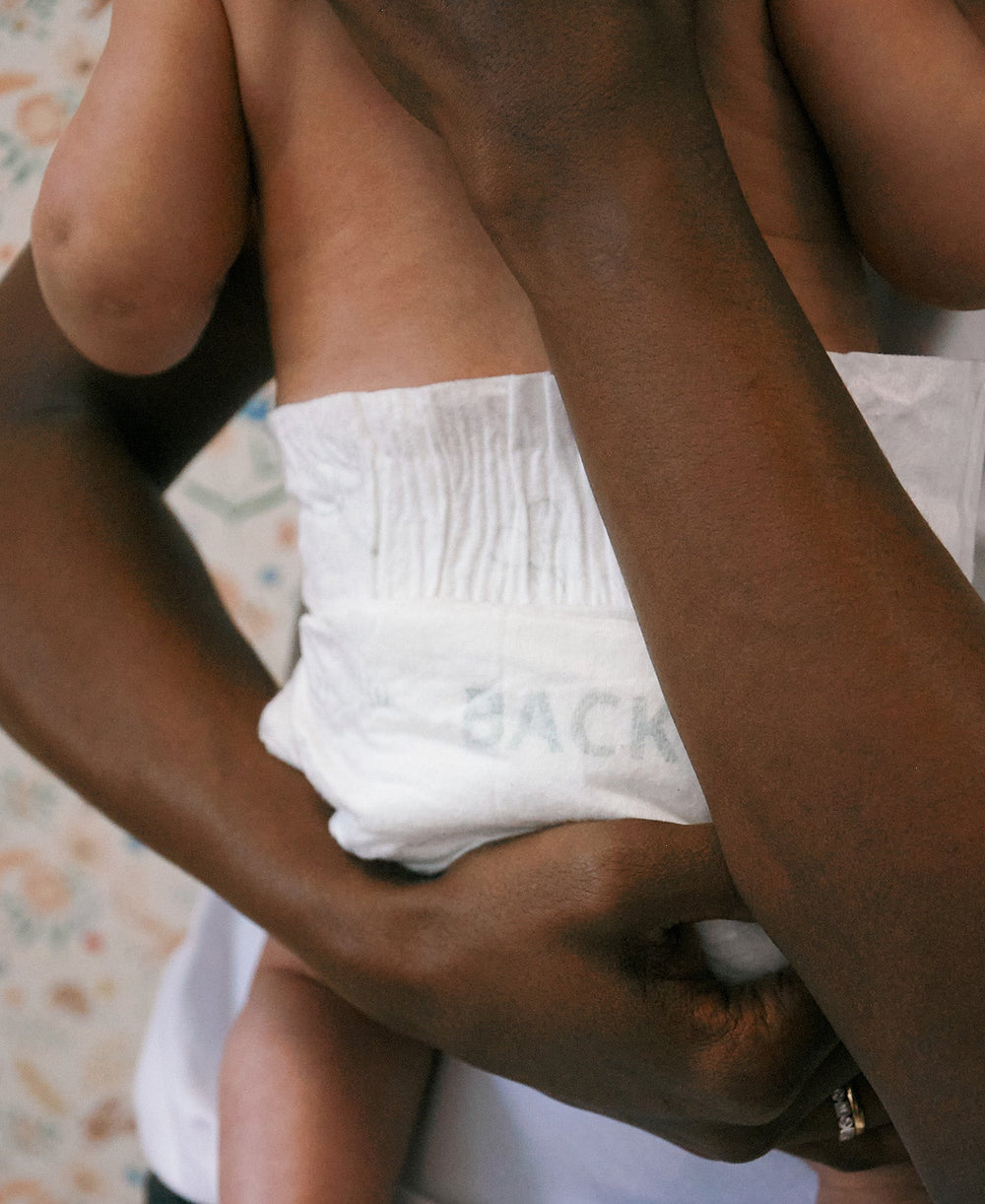
- Diaper needs: A wet or dirty diaper can be uncomfortable for baby. Check the diaper and change it if necessary. Use soft wet wipes to avoid irritation.
- Tiredness: Even young babies get tired. If your baby can't fall asleep, it can lead to crying. Try to create a quiet and dark environment to promote sleep.
- Colic: Colic is characterized by intense and persistent crying in a healthy baby with no apparent cause. It can be challenging to manage, but seek advice from your doctor and try soothing techniques such as rocking or using white noise.
- Bloating: Babies can experience discomfort when they have gas. Try burping your baby gently after meals to relieve any air pockets.
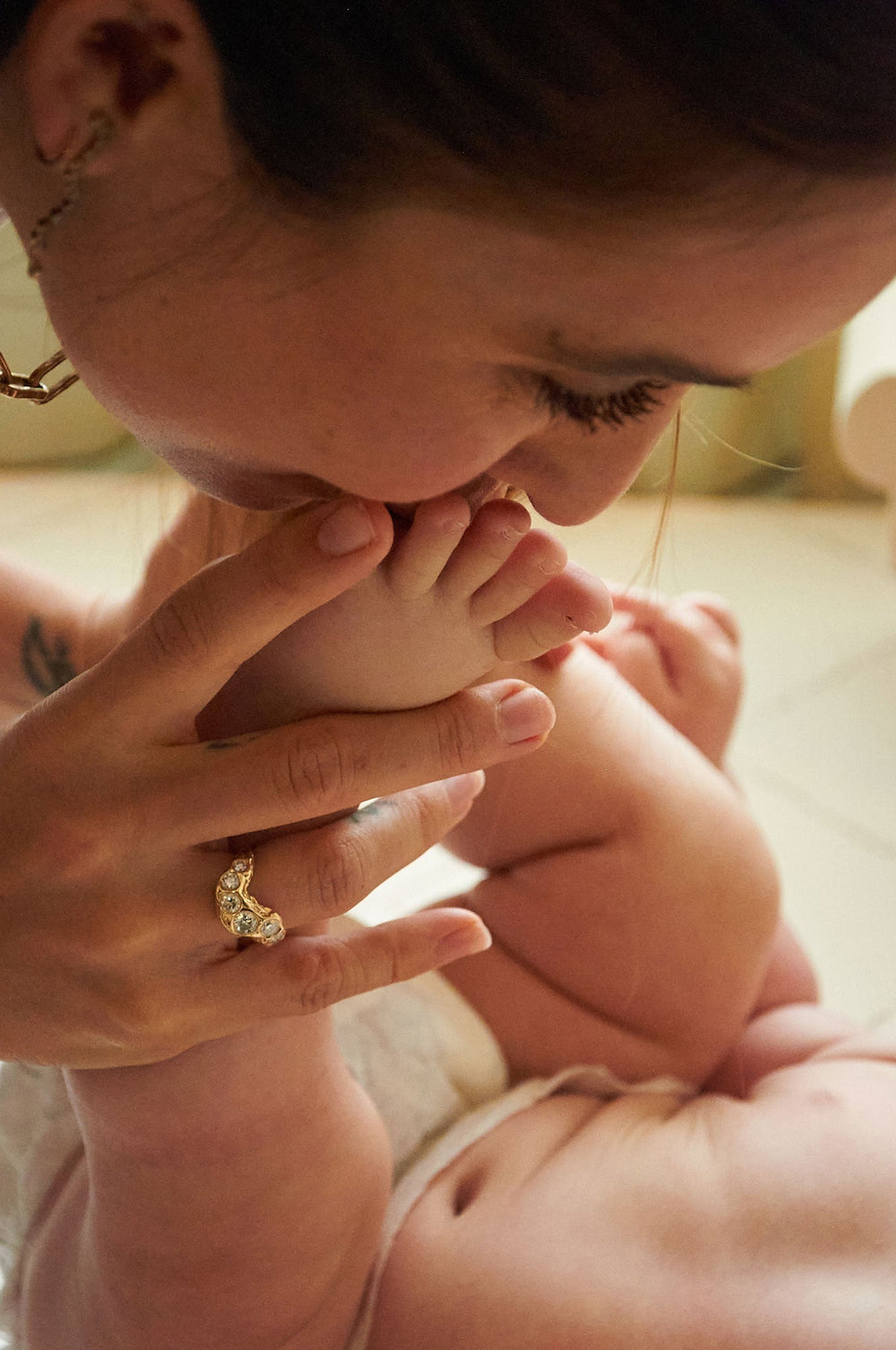
- Need for Physical Contact: Babies have a natural urge to be close to their parents. Skin-to-skin contact, hugs, and loving touch can soothe a crying baby.
- Overstimulation: Too much stimulation, such as bright lights, loud noises, or too many visitors, can overwhelm a baby. Try to create a calm and subdued environment.
- Pain or Discomfort: Teething, earaches, or another source of pain can cause a baby to cry. Check for physical causes of discomfort and consult a doctor if necessary.
- Desire for Reassurance: Sometimes babies cry simply because they want closeness and comfort. Close body contact, rocking, and gentle singing can be enough to soothe them.
When faced with a crying baby, it's important to stay calm and not panic. Your child can sense your stress, so try to stay relaxed and figure out the reason your baby is crying. Here are some comforting tips:
- Soothing rhythms: Try rocking or rocking your baby gently in your arms. Some babies also love being swung a little, or long rides in the stroller.
- Gently hush: A soothing "shh" sound can mimic the sound of a mother's heartbeat, which can help calm a very young baby. See if it works.
- The pacifier: If your baby uses a pacifier , it can provide comfort and help calm them.
- Massage: A gentle baby massage or a little baby yoga can relieve tension and promote relaxation.
- Body contact: Skin-to-skin contact is a powerful way to create comfort and security. Let your baby know you are here by holding them close and giving them security that way.
- Routines: Many babies respond well to routines. Try establishing a calming bedtime routine to help your baby fall asleep more easily.
Remember that it is normal for babies to cry and it is not your fault. Be patient and loving, and once you have ruled out the most obvious causes of crying, consider contacting your doctor if the crying continues or changes. Understanding and comforting your baby is a process, and you learn along with your child during this exciting journey as a parent.
This blog post has hopefully given you a deeper insight into why your little one is crying and how you can best comfort them.